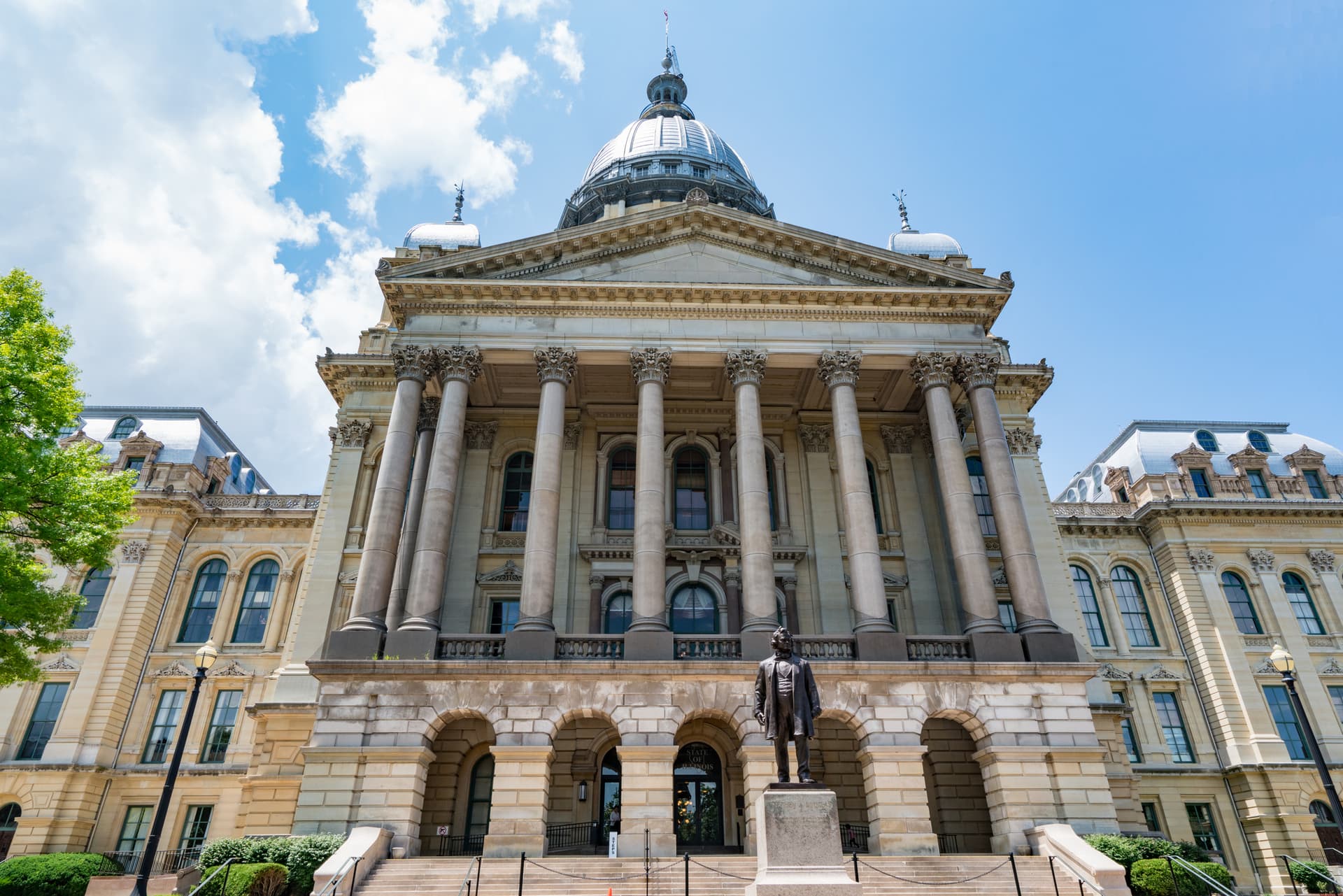
Oral arguments were held regarding a motion filed by plaintiffs to broaden the existing preliminary injunction against the Illinois Interchange Fee Prohibition Act (IFPA) so that all financial institutions, including Illinois chartered banks, federal and state credit unions and the payment card networks are exempt from the law. The plaintiffs in the case are the American Bankers Association, the Illinois Bankers Association, America's Credit Unions, and the Illinois Credit Union League. The Illinois Attorney General is the defendant.
The IFPA prohibits the collection of interchange fees on sales taxes, excise taxes, and tips, if a merchant elects to separate out those charges from the price of a purchase. It also prohibits participants involved in an electronic payment transaction (except the merchant) from transferring or using data from that transaction except to facilitate or process the transaction, or as required by law. Each violation of the IFPA is subject to a $1,000 penalty per transaction for the merchant acquirer.
Current Injunction Status
The 2024 injunction which covers nationally chartered banks, federal savings associations, and out-of-state banks doing business in Illinois, makes about 90% of card transactions exempt from the IFPA, according to the Electronic Transactions Association. The injunction was issued after the District Court found that the plaintiffs had a high likelihood of success proving their claims that the IFPA interferes with the National Banking Act (NBA), the Homeowners' Loan Act and the Riegle-Neal Interstate Banking and Branching Efficiency Act.
October 2025 Oral Arguments
During oral arguments in October 2025, the plaintiffs argued that the Illinois Banking Act provides the same powers and protections to Illinois charted banks that are granted to banks regulated by the NBA; they also asserted there is no language in the Federal Credit Union Act that exempts credit unions from the NBA.
Furthermore, the plaintiffs argued that by exempting interchange on sales tax and tips, the IFPA prevents the banks and credit unions who issue cards, from being fully compensated for the services they provide, including transaction authorization and fraud detection. They assert the IFPA will cause chaos and confusion for consumers and businesses.
The Defense Position
The defendant, the Illinois Attorney General's office, asserted the IFPA does not significantly reduce interchange revenue that card issuers receive because tax and tips are only a small percentage of a card transaction. Attorneys representing the Illinois Retail Merchants Association, the National Association of Convenience Stores, the National Retail Federation and the Food Industry Association, also argued that the IFPA should be upheld.
Broader Implications
The implications of the ruling go far beyond Illinois; since the IFPA was passed, twenty-two other states have considered and rejected bills that would implement similar interchange bans.
A decision is expected before July 2026, when the IFPA is scheduled to take effect.
For additional detail see this article from Digital Transactions and this article from The Southern.
Ready to Optimize Your Processing Fees?
Get a free analysis of your merchant statement and discover hidden savings opportunities.