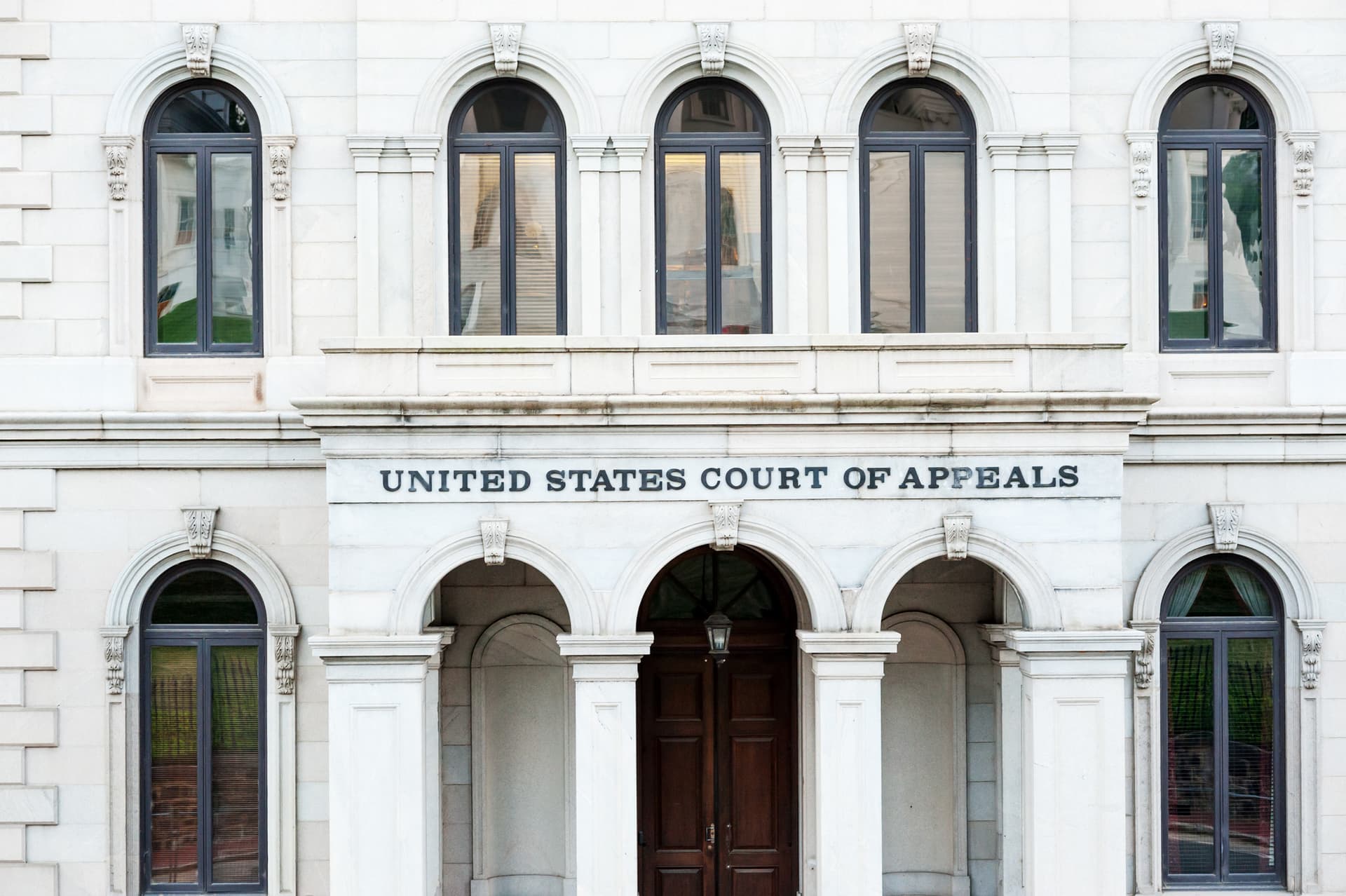
On August 19th, the U.S. Court of Appeals for the First Circuit denied American Express' request to stay litigation and compel arbitration in a dispute with merchants regarding whether its policies violate federal antitrust law. The ruling reaffirms merchants can pursue their claims in federal court, upholding a previous ruling by the U.S. District Court. While the decision resolves a procedural issue, the antitrust allegations have not yet been litigated. The plaintiffs allege that American Express violated antitrust laws, inflating the cost of credit card payments by enforcing "non-discrimination provisions" which prevent merchants from steering customers towards payment methods with lower transaction fees.
In August 2023, 5-Star General Store demanded arbitration, challenging American Express' "swipe fees" under an existing arbitration agreement. Although 5-Star General Store paid its portion of the fees due to the American Arbitration Association (AAA), as did 5,155 other merchants that had filed arbitration requests, American Express disputed the fee amount and refused to pay its share. Although AAA repeatedly warned American Express the cases would be administratively closed for non-payment, American Express did not pay the fees. As a result, the cases were closed in February 2024.
In March 2024, 5-Star General Store filed a class action complaint in the U.S. District Court for the District of Rhode Island on behalf of a class of merchants involved in the arbitration. The complaint alleged that American Express waived its right to compel arbitration in those suits by refusing to pay the filing fees. In response, American Express filed motions to compel arbitration and to dismiss the lawsuit. American Express' motions were denied by U.S. District Judge Mary McElroy in December 2024. The judge found that American Express waived its right to compel arbitration by failing to pay $17 million in filing fees due to the AAA for more than 5,000 arbitration requests initiated by merchants. In August 2026, the First Circuit Court reaffirmed that American Express' conduct constituted waiver/default of its right to compel arbitration under the Federal Arbitration Act.
Verisave's Take
The fact that the plaintiffs can pursue their antitrust claims against American Express in federal court is a significant development, however, a major obstacle remains. In a 2018 ruling in a similar case, Ohio vs American Express, the U.S. Supreme Court ruled in American Express' favor. To be successful in their antitrust suit, the plaintiffs will need to establish why their claims are different than the claims raised in the previous case. It is clear that it is going to take a while for this litigation to wind its way through the court system.